Published - 2 Hours Ago

Looking to Build Healthcare Skills With Medical Assistant Training?

Looking to Build Healthcare Skills With Medical Assistant Training?

This blog contains clear and practical information for healthcare workers who want to gain new skills through medical assistant training. It explains how hands-on training can build clinical and office skills, support career growth, fit into a busy schedule, and help you prepare for new opportunities in healthcare.

Healthcare offers many career opportunities for people who want useful skills, steady work, and a chance to grow. If you already work in healthcare or have experience in patient care, learning new skills can help you move ahead. Choosing the right medical assistant training school in Dallas can give you hands-on learning, clear guidance, and a stronger path toward your next career goal.

Stronger Skills Can Open New Career Paths

Learning new skills is about more than adding a certificate to your resume. It can help you feel more confident at work and prepare for a wider range of duties. You may already know the basics of patient care or healthcare routines. Further training can help you build on what you already know.

Medical assistants often support both the clinical and office sides of healthcare. Their work may include taking vital signs, preparing patients, recording information, helping during exams, and handling basic office tasks. Learning these skills can help you see how different parts of a healthcare workplace work together.

As your skills grow, you may feel ready for more responsibility. You can also explore career paths that better match your interests. Instead of staying in the same role because it feels familiar, you can take steps toward new opportunities.

The right training should also fit your life. Evening classes may work well if you have a daytime job. A shorter program may be helpful if you want to gain career skills without spending years in school. It is all about finding a path that works for you.

Hands-On Learning Builds Everyday Confidence

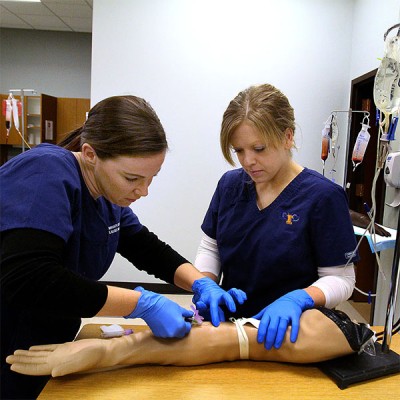
Healthcare is a hands-on field. Reading about a skill can help, but practicing it can help you understand it better. That is why career training should give you time to learn skills and see how they are used in a real healthcare setting.

Through medical assistant training in Dallas, you can learn skills used in both patient care and office support. Training may cover medical terms, patient preparation, vital signs, recordkeeping, basic clinical tasks, and other important parts of the role.

Training can also help you become more comfortable working with patients and other healthcare professionals. Technical skills are important, but communication matters too. You need to listen carefully, stay organized, and treat patients with care and respect.

Healthcare work can become busy quickly. For that reason, learning how to stay focused and follow the right steps is important. Good training can help you understand each task and why it matters. With practice, you can build confidence and stronger work habits.

Flexible Learning Can Fit Your Busy Life

Many healthcare workers want to move forward but struggle to find enough time. Work, family, and daily duties can make going back to school feel hard. The good news is that career training may offer options that fit more easily into a busy routine.

Flexible class schedules can make it easier to learn while handling other responsibilities. Morning or evening classes may give you more choices. This can be helpful if you want to keep working while learning new skills.

Program length is another important point. Some career-focused programs teach the skills needed for a specific role in less time than a traditional college degree. This may help you start working toward a new goal sooner.

Cost also matters when choosing a program. Before you enroll, review the tuition, payment options, class times, program length, and training topics. Knowing these details early can help you choose wisely. After all, nobody wants a surprise halfway through the journey.

Choose Training That Matches Your Career Goals

Selecting a medical assistant training school in Dallas is a big step, especially when you want to build on your current healthcare experience. Look for clear details about the skills taught, how long the program takes, and what you can expect during training.

A good learning setting should make lessons easy to understand. Instructors should explain skills clearly and give you chances to practice. Support can make a big difference, especially when you are balancing training with work or family life.

Think about where you want your career to go. You may want to move into a role with more duties. You may want to learn skills that help you apply for different healthcare jobs. Or you may simply want to feel better prepared for your current work.

Your training should support those goals. When your program matches your career plans, it becomes easier to see why each lesson and skill matters.

Career Growth Can Help Both Workers And Employers

Building new skills starts with your own career goals, but it can also help healthcare workplaces. Employers need workers who can support patients, follow workplace rules, communicate clearly, and work well with others.

Healthcare workers who keep learning can bring more skills to their teams. They may better understand daily tasks and how to support smooth patient care. As a result, stronger skills can help both the worker and the workplace.

For employers, trained workers can support better teamwork and daily operations. For you, learning new skills can help you feel more prepared and ready for future opportunities.

That makes career growth useful in more than one way. You can improve your own skills while also becoming a stronger member of a healthcare team. It is a good step forward for everyone involved.

Know What To Check Before You Enroll

Before choosing a training program, take time to compare your options. Start by looking at the course topics, program length, class times, training style, costs, and entry requirements.

Then think about what works best for you. Do you learn better by doing and practicing? Do you need evening classes because of work? Are you looking for a faster way to build skills for a healthcare role? These questions can help you choose the right path.

Also, look at the learning support available. Clear lessons, skilled instructors, and hands-on practice can make the training process easier. Take your time when comparing programs. Doing a little research now can help you avoid problems later.

Most of all, choose training that supports your future plans. The goal is not only to finish a course. The goal is to learn skills that can help you grow in your healthcare career.

Take The Next Step With A Clear Goal

Learning new skills can give you more than a new qualification. It can help you feel more confident, improve your knowledge, and prepare for new healthcare opportunities. With the right training and a clear goal, you can take a meaningful step toward career growth.

If you want to explore healthcare training that fits your plans, Dallas Career Institute can help you learn more about available options and take the next step toward building useful skills.

Final Remarks

Growing your healthcare career does not always mean starting over. If you already have experience in the field, new training can help you build on the skills you already use. By choosing practical learning, finding a schedule that suits your life, and keeping your career goals in mind, you can move forward with greater confidence.

FAQs

Q1: Who can benefit from medical assistant training?Healthcare workers, career changers, and people interested in patient care can benefit. Training can help you learn new skills and prepare for different healthcare job opportunities.

Q2: How long does medical assistant training take?The length depends on the program and school. Career-focused programs may take less time than traditional college degrees and focus on skills used for the role.

Q3: Can I train while working?Yes. Some programs offer flexible schedules, including morning or evening classes. This can make it easier to balance training with work and family responsibilities.

Q4: What skills can I learn during training?Training may cover patient care, vital signs, medical terms, recordkeeping, clinical tasks, communication, and office duties that support daily healthcare work.

Q5: Why should healthcare workers learn new skills?Learning new skills can help you feel more confident, grow in your career, prepare for more duties, and explore new job opportunities in healthcare.

Comments (0)

Search
Popular categories
Latest blogs
Looking to Build Healthcare Skills With Medical Assistant Training?
This blog contains clear and practical information for healthcare workers who want to gain new skills through medical assistant training. It explains how hands-on training can build clinical and office skills, support career growth, fit into a busy schedule, and help you prepare for new opportunities in healthcare. Healthcare offers many career opportunities for people who want useful skills, steady work, and a chance to grow. If you already work in healthcare or have experience in patient care, learning new skills can help you move ahead. Choosing the right medical assistant training school in Dallas can give you hands-on learning, clear guidance, and a stronger path toward your next career goal. Stronger Skills Can Open New Career Paths Learning new skills is about more than adding a certificate to your resume. It can help you feel more confident at work and prepare for a wider range of duties. You may already know the basics of patient care or healthcare routines. Further training can help you build on what you already know. Medical assistants often support both the clinical and office sides of healthcare. Their work may include taking vital signs, preparing patients, recording information, helping during exams, and handling basic office tasks. Learning these skills can help you see how different parts of a healthcare workplace work together. As your skills grow, you may feel ready for more responsibility. You can also explore career paths that better match your interests. Instead of staying in the same role because it feels familiar, you can take steps toward new opportunities. The right training should also fit your life. Evening classes may work well if you have a daytime job. A shorter program may be helpful if you want to gain career skills without spending years in school. It is all about finding a path that works for you. Hands-On Learning Builds Everyday Confidence Healthcare is a hands-on field. Reading about a skill can help, but practicing it can help you understand it better. That is why career training should give you time to learn skills and see how they are used in a real healthcare setting. Through medical assistant training in Dallas, you can learn skills used in both patient care and office support. Training may cover medical terms, patient preparation, vital signs, recordkeeping, basic clinical tasks, and other important parts of the role. Training can also help you become more comfortable working with patients and other healthcare professionals. Technical skills are important, but communication matters too. You need to listen carefully, stay organized, and treat patients with care and respect. Healthcare work can become busy quickly. For that reason, learning how to stay focused and follow the right steps is important. Good training can help you understand each task and why it matters. With practice, you can build confidence and stronger work habits. Flexible Learning Can Fit Your Busy Life Many healthcare workers want to move forward but struggle to find enough time. Work, family, and daily duties can make going back to school feel hard. The good news is that career training may offer options that fit more easily into a busy routine. Flexible class schedules can make it easier to learn while handling other responsibilities. Morning or evening classes may give you more choices. This can be helpful if you want to keep working while learning new skills. Program length is another important point. Some career-focused programs teach the skills needed for a specific role in less time than a traditional college degree. This may help you start working toward a new goal sooner. Cost also matters when choosing a program. Before you enroll, review the tuition, payment options, class times, program length, and training topics. Knowing these details early can help you choose wisely. After all, nobody wants a surprise halfway through the journey. Choose Training That Matches Your Career Goals Selecting a medical assistant training school in Dallas is a big step, especially when you want to build on your current healthcare experience. Look for clear details about the skills taught, how long the program takes, and what you can expect during training. A good learning setting should make lessons easy to understand. Instructors should explain skills clearly and give you chances to practice. Support can make a big difference, especially when you are balancing training with work or family life. Think about where you want your career to go. You may want to move into a role with more duties. You may want to learn skills that help you apply for different healthcare jobs. Or you may simply want to feel better prepared for your current work. Your training should support those goals. When your program matches your career plans, it becomes easier to see why each lesson and skill matters. Career Growth Can Help Both Workers And Employers Building new skills starts with your own career goals, but it can also help healthcare workplaces. Employers need workers who can support patients, follow workplace rules, communicate clearly, and work well with others. Healthcare workers who keep learning can bring more skills to their teams. They may better understand daily tasks and how to support smooth patient care. As a result, stronger skills can help both the worker and the workplace. For employers, trained workers can support better teamwork and daily operations. For you, learning new skills can help you feel more prepared and ready for future opportunities. That makes career growth useful in more than one way. You can improve your own skills while also becoming a stronger member of a healthcare team. It is a good step forward for everyone involved. Know What To Check Before You Enroll Before choosing a training program, take time to compare your options. Start by looking at the course topics, program length, class times, training style, costs, and entry requirements. Then think about what works best for you. Do you learn better by doing and practicing? Do you need evening classes because of work? Are you looking for a faster way to build skills for a healthcare role? These questions can help you choose the right path. Also, look at the learning support available. Clear lessons, skilled instructors, and hands-on practice can make the training process easier. Take your time when comparing programs. Doing a little research now can help you avoid problems later. Most of all, choose training that supports your future plans. The goal is not only to finish a course. The goal is to learn skills that can help you grow in your healthcare career. Take The Next Step With A Clear Goal Learning new skills can give you more than a new qualification. It can help you feel more confident, improve your knowledge, and prepare for new healthcare opportunities. With the right training and a clear goal, you can take a meaningful step toward career growth. If you want to explore healthcare training that fits your plans, Dallas Career Institute can help you learn more about available options and take the next step toward building useful skills. Final Remarks Growing your healthcare career does not always mean starting over. If you already have experience in the field, new training can help you build on the skills you already use. By choosing practical learning, finding a schedule that suits your life, and keeping your career goals in mind, you can move forward with greater confidence. FAQs Q1: Who can benefit from medical assistant training?Healthcare workers, career changers, and people interested in patient care can benefit. Training can help you learn new skills and prepare for different healthcare job opportunities. Q2: How long does medical assistant training take?The length depends on the program and school. Career-focused programs may take less time than traditional college degrees and focus on skills used for the role. Q3: Can I train while working?Yes. Some programs offer flexible schedules, including morning or evening classes. This can make it easier to balance training with work and family responsibilities. Q4: What skills can I learn during training?Training may cover patient care, vital signs, medical terms, recordkeeping, clinical tasks, communication, and office duties that support daily healthcare work. Q5: Why should healthcare workers learn new skills?Learning new skills can help you feel more confident, grow in your career, prepare for more duties, and explore new job opportunities in healthcare.

2 Hours Ago

Dallas Career Institute
Have you found yourself wanting to begin a rewarding career in health care, but think that going to school for four years just to learn how to do EKGs isn't for you? If so, then becoming an EKG technician school or a Patient Care Technician is probably the best career choice you can make. Finding multiple accredited schools with comprehensive course offerings in EKG Technician Programs can be done by doing research to find one near you that offers this training program. In this article, you will learn everything about finding schools for EKG Technician Training near me in the Dallas, TX area.What Is an EKG/ECG Technician?A common misconception of the definitions used today when referring to these healthcare professionals is how they both utilize the test of the heart's electrical activity. In other words, an ECG Technologist or EKG Technologist uses the same tests and only differ in the way they are referred to by the general public to identify them. In addition, some EKG Technicians are classified as either Nationally Registered or the equivalent to be classified as Certified (e.g., Nationally Registered EKG Technician). In order to work as either an ECG Technician or EKG Technician, one must complete a training program provided by a quality school where these professionals receive training from as part of their education.Some of the duties they will perform include:Performing EKG testing on patients, including adult and pediatric populations.Preparing patients for the EKG procedure, including proper patient positioning, patient comfort, and explaining what is going to happen during the EKG.Monitoring the ECG rhythms during both the exercise stress test and/or during a resting EKG.Maintaining and preparing the EKG machine equipment for use by ensuring that the machines are calibrated correctly.Recording the results obtained from the ECG tests performed on the patient accurately.Identifying and correcting EKG artifacts with correct technical issues (interference) due to poor lead placement or too much body movement.Assisting the cardiologist in other cardiovascular-related testing.Launch Your Healthcare Journey at the Dallas Career Institute's EKG Technician ProgramExplore your path toward a fulfilling career in health care by enrolling in the Dallas Career Institute EKG Technician Training Program in Dallas, Texas. You will develop the specialized technical skills required to perform electrocardiography (ECG) and evaluate the electrical activity of the heart through specialized training. The training program is comprehensive in scope; however, several key factors differentiate the DCI program:DCI provides both virtual and in-classroom training options to accommodate students with varying levels of availability to learn or work. The flexibility of taking a full-time, face-to-face class or combining it with an online portion allows you the best chance to complete your certification training by accommodating your busy schedule!DCI offers exceptional quality and quantity of education within its diverse medical programs of Nurse Aide Certification, Medical Assistant Certificate Program, and other specialized training programs in cardiovascular diagnostic testing.The DCI mission statement is "To train and prepare people for careers with hands-on experiences that lead to successful completion of National Certification Exams."DCI's EKG technician training programs typically are complete within three to six months, allowing for competitively paid positions to begin shortly thereafter compared to other allied health career training fields.Following graduation, DCI's EKG Technician training program students will be eligible to sit for the NHA Certified EKG Technician (CET) Certification Examination, which provides them with National Certification Validation of their EKG Technologist expertise.Graduates typically gain employment opportunities at many hospitals, cardiology offices, and diagnostic imaging centers in the Dallas/ Fort Worth metropolitan area.With Patient Care Technician Training Near Me in Dallas at your reach, You Can Find Your Next Healthcare CareerDallas Career Institute (dcitx.net) has created its online Patient Care Technician Training Classes, which are the ideal solution if you're looking for patient care technician training in Dallas, TX, with the convenience that comes with being able to attend classes online. This program is designed for students who would like to become healthcare workers with the skills necessary to do phlebotomy, EKG, vital signs, and basic bedside care in the hospital, long-term care facility, and dialysis center. This virtual delivery option enables complete theory learning online with in-person lab sessions for the practical side of the course; suitable for busy students who require flexible scheduling. Dallas Career Institute's medical programs are TWC-approved and HHSC-partnered, providing quality education to attain NHA-affiliated CPCT/A certification. Graduates are provided with placement assistance and are encouraged to enter the workforce upon completion of certification with the goal of "training and preparing careers. Sign up now at dcitx.net to discover the healthcare career potential in Dallas.Comprehensive Patient Care Technician Program at Dallas Career InstituteDallas Career Institute (dcitx.net) offers a three-month Patient Care Technician Program that is taught virtually, aiming to teach and prepare students with key skills to begin working in healthcare in Dallas, TX. The program includes 128 hours of hands-on patient care training, which can lead to employment opportunities in hospitals, long-term care facilities, and dialysis centers, where you would provide basic patient care to all age groups.ConclusionIf you're trying to get into the healthcare sector fast, then you will want to consider becoming an ECG-technician or Patient Care Technician. EKG technician and Patient Care Technician programs are available in Dallas, TX, through a variety of schools and colleges, such as International Health Academy and Dallas College.The ECG-technician career tracks specialized cardiac skills that can be completed in just 3-6 months, and the Patient-Care Technician Program offers more comprehensive skills across a variety of health care fields within 12-16 weeks. Both career tracks result in national certification and job placement.Dallas Career Institute9441 LBJ Freeway, Suite 300Dallas, TX 75243Website: https://dcitx.net/Contact numbersTel:  214-691-0555Fax: 469-480-1967Email addressschool@dallascareerinstitute.net

Thu, 27 Aug 2026

At EKG Technician School & Patient Care Technician Program in Dallas, TX, you'll discover the essentials needed to kick off a healthcare career.
Two of the quickest ways to enter healthcare jobs in Dallas – Fort Worth are EKG (electrocardiograph) tech jobs and patient care technician (PCT) positions. Whether you've been looking for an ekg technician school, comparing various options for becoming an ekg technician, researching a Patient-Care Technician Program, or simply Googling "patient care technician training near me" this guide will cover all of the information you need to know before you enroll — so you know what you're signing up for, how long it takes to train, the cost, and how to pick a school that will help you get a job.Why Dallas Is a Strong Market for EKG and PCT CareersAll healthcare facilities in Texas, including hospitals, outpatient cardiology clinics, urgent care centers, and long-term care facilities, are vying for qualified support staff. In addition, there is an abundance of hospital systems, cardiac care centers, and skilled nursing facilities in Dallas, ensuring a steady demand for entry-level clinical jobs without a four-year degree. These include the roles of EKG technicians and patient care technicians, both of which do not require a lengthy training course and can be completed in a matter of weeks, rather than years.How Dallas Career Institute Solutions These Two ProgramsDallas Career Institute, a Dallas, TX career school, bases the EKG Technician course and Patient-Care-Technician Program on the points listed above. The school's program description states that students in the EKG Technician course will be prepared to take the Certified EKG Technician (CET) exam offered by the National Healthcare Association and will receive national exam study materials, a national practice exam, national exam certification with immediate proof, and job placement assistance in a compact 1-2 week program.Patient Care Technician Job Description and DutiesA Patient-Care-Technician Program entails much more than an EKG program. PCTs are also trained as nurses, and because of their multifaceted training, generally operate at a higher level than certified nursing assistants (CNAs) and below licensed vocational nurses (LVNs).Patient care technicians learn how to:Support nurses in ensuring the comfort, safety, and good health of their patients during their working hoursProvide direct hands-on care to patients in hospitals, clinics, and long-term care facilities.Assist with taking and recording vital signsAssist in transporting and transferring patients, such as moving from bed to wheelchair and exam table to bedCarry out basic diagnostic and phlebotomy tasks as per the program curriculumAssist the rest of the clinical staff with documentation and patient comfortA Patient Care Technician Program usually offers all three of these services: nurse aide, phlebotomy, and EKG, so the person who has finished the course may be more flexible in their employment opportunities than a person that only completed a nurse aide course.What Does an EKG Technician (ECG Technician) do?The terms "EKG technician" and "ecg technician" are both variations of the same position: EKG is the German spelling of the term (Elektrokardiogramm), and ECG is the English spelling of the term. They play a crucial role in hospitals, cardiology clinics, and diagnostic imaging facilities.Each day this person will be expected to:Taking patients for diagnostic testing on an electrocardiograph machineEnsuring that the patient's blood pressure and other vital signs are measured during testing.Gathering health information that doctors and cardiologists use to determine cardiovascular health.Running tests that assist in assessing a patient's heart rhythm and his or her general heart healthSetting up patients for testing, interpreting procedures, and getting electrodes to the right spotsRunning and calibrating EKG equipmentThe training for EKG technicians tends to be one of the shortest healthcare certificate program courses, usually lasting a couple of weeks of intensive, hands-on instruction without requiring years of schooling.Finding "Patient Care Technician Training Near Me" in Dallas: Practical Tips If you have ended up on this website by typing patient care technician training near me, this is how you can streamline your search efficiently:Verify program duration with your timeline. If you must begin your work quickly, a shorter program with just an EKG instead of a full PCT program may be more appropriate as a first step, followed by a more comprehensive program later.Inquire about externship or clinical hours. Job-readiness and confidence is greatly enhanced by real-world clinical exposure, regardless of its length.Consider the total cost, not the tuition. Inquire if they include or charge for scrubs, exam fees, background checks, and certification exam fees.Check class timetables. If you have a job, you can make it realistic to train in the morning and evening sessions.Check accreditation and exam eligibility. Make sure that the school's certificate of completion does indeed lead to a national certification exam.Check out new reviews and placement results. Programs that have been around for a while and that have good feedback, whether from current students or recent graduates, are more likely to be a reliable option than those with little feedback or feedback that is old.EKG Technician School in DallasFor those seeking to embark on the healthcare field in a short amount of time with hands-on experience, an EKG-technician school may be a great option. The EKG technician program at Dallas Career Institute teaches necessary skills in performing electrocardiogram tests, positioning the leads, observing heart function, interpreting the results for doctors and helping to keep patients calm and safe. Medical terminology, heart anatomy and physiology, Holter monitoring, stress testing, and patient care are other critical areas of training. Low-cost, flexible class options, and a program that helps students gain confidence and start preparing for careers in hospitals, clinics, and health care environments.Career Outlook: What Comes After TrainingStudents who complete EKG technician training often seek work in a hospital cardiology department, an outpatient diagnostic facility, or a doctor's office that has on-site cardiac testing equipment. Patients Care Technician Program graduates can enter the workforce in a variety of ways, such as medical/surgical units of hospitals, long-term care and rehabilitation centers, dialysis, and outpatient clinics.Because of the experience gained with patients and the hands-on approach to healthcare training that both EKG and PCT provide, many graduates pursue further education in healthcare, such as phlebotomy, medical assisting, or ultimately, nursing, from either of these credentials.ConclusionIt doesn't need to be a question of whether to select an EKG-technician school or a complete Patient-Care Technician Program. Both are viable healthcare career pathways that lead to real-world career opportunities and are available in a fraction of the time of a traditional nursing degree in Dallas, TX. Both options can depend on your time schedule, budget, and desired broad clinical skill set before entering the workforce.EKG technician training provides one of the quickest ways to get into a job that pays in the healthcare field, needing only one to two weeks of training. When it comes to a more comprehensive foundation that provides access to a range of opportunities across hospital departments, long-term care, and outpatient clinics, a Patient-Care Technician Program may be a better use of your time. If you aren't certain, many students opt to take both the PCT training and the EKG certification as an efficient, quick add-on.Dallas Career Institute9441 LBJ Freeway, Suite 300Dallas, TX 75243Website: https://dcitx.net/Contact numbersTel:  214-691-0555Fax: 469-480-1967Email addressschool@dallascareerinstitute.net

Tue, 25 Aug 2026

All blogs