Published - 3 Days Ago

How a Patient Care Technician Training School Prepares You for Hospital Work

How a Patient Care Technician Training School Prepares You for Hospital Work

Hospitals are busy places where every small action matters. From checking vital signs to helping patients feel calm, patient care technicians support care every day. Because of this, the right training makes a real difference. A patient care technician training school in Texas helps students build skills, safe habits, and confidence for real hospital work.

This blog explains how training programs prepare students for hospital roles. It also shows how hands-on learning, safety focus, and teamwork practice help new technicians succeed from their first day on the job.

Understanding the Role of a Patient Care Technician

Before learning skills, students need to understand their role. Patient care technicians, often called PCTs, support nurses and doctors. They help with daily patient care and simple medical tasks. So, training starts by clearly explaining job duties.

Students learn that PCTs work in hospitals, clinics, and care centers. They also see how their role fits into the care team. Because of this, students begin training with clear goals and honest expectations.

Strong Basics Build Hospital Readiness

Every strong program starts with basic knowledge. Classes teach simple medical terms, body systems, and common hospital tools. Since lessons use clear language, students understand topics without feeling confused.

Training often covers:

  • Basic body parts and how they work
  • Infection control and cleaning rules
  • Patient rights and privacy laws
  • Medical terms used in hospitals

Instructors also connect lessons to real hospital tasks. As a result, students understand how class learning applies to real work.

Hands-On Practice That Feels Like a Hospital

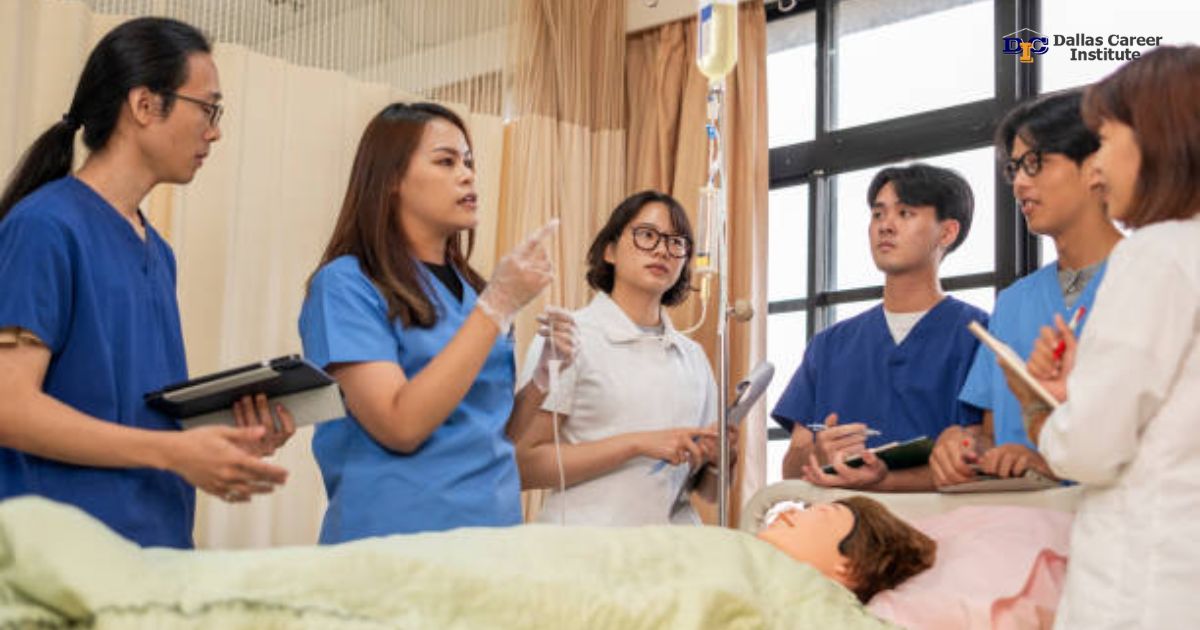
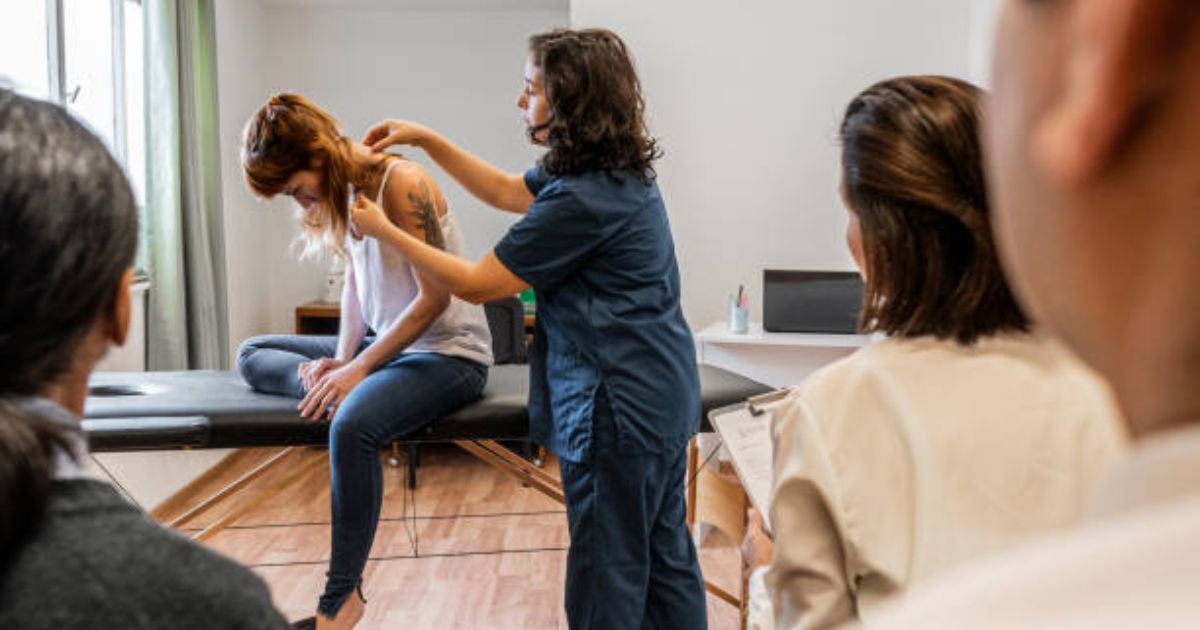
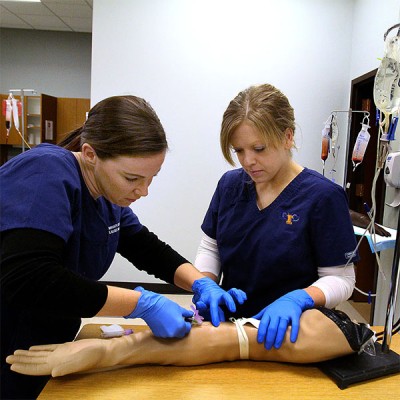
Practice builds confidence. Training schools focus on hands-on labs that copy hospital rooms. Students use real tools such as blood pressure cuffs, thermometers, and hospital beds.

Through practice, students learn how to:

  • Take vital signs the correct way
  • Help patients move safely
  • Collect samples for testing
  • Assist with daily care needs

Mistakes are part of learning. Instead of pressure, instructors give calm guidance. Over time, skills become easier and more natural.

Safety Training That Protects Patients and Staff

Safety is always important in hospitals. Training programs repeat safety steps often so they become habits. Students learn how to keep patients, coworkers, and themselves safe.

Important safety lessons include:

  • Proper handwashing and glove use
  • Preventing slips, falls, and injuries
  • Safe lifting and moving methods
  • Reporting problems right away

Because safety rules are practiced daily, students feel ready to follow hospital rules.

Read Also: Top Benefits of Attending a Medical Assistant Training School

Communication Skills for Real Patient Care

Clear communication prevents mistakes and builds trust. Training programs teach students how to speak kindly and listen closely. Role-play activities help students practice real-life talks.

Students learn how to:

  • Explain simple care steps to patients
  • Share updates with nurses clearly
  • Stay calm during busy times
  • Respect different cultures and needs

As a result, graduates feel comfortable speaking with patients and staff.

Learning Hospital Workflow and Teamwork

Hospitals follow clear routines. Training explains how shifts work, how reports are shared, and how teams stay organized. Students learn what happens at the start and end of shifts.

During training, many students search for a patient care technician training school near me to find programs offering local clinical experience. Local training often matches real hospital routines, which helps students adjust faster at work.

Clinical Experience That Builds Confidence

Many programs include real clinical hours. During this time, students work with patients under supervision. They use their skills while instructors provide help and feedback.

Clinical training helps students:

  • Manage time during busy shifts
  • Follow hospital rules
  • Work with different care teams
  • Build confidence with patients

Because of this real experience, students feel less nervous when starting a job.

Job Growth and Industry Trends

Healthcare education continues to grow across the country. Research shows that private medical education programs in the US have grown steadily. Student enrollment is also rising as healthcare needs increase. This trend shows strong demand for trained healthcare workers, including patient care technicians.

Because hospitals need skilled support staff, completing training can lead to steady job opportunities.

Certification and Career Preparation

Training programs also prepare students for certification exams. Review sessions and practice tests help students feel ready. Instructors explain exam rules and common questions.

Many programs also support students with:

  • Resume writing help
  • Interview practice
  • Job search guidance

So, students finish training ready to apply for hospital jobs.

Later in the program, learners may again search for a patient care technician training school near me to compare job support and placement services. Programs that focus on student success often stand out.

Personal Support Makes Learning Easier

Supportive instructors help students stay motivated. Smaller class sizes allow teachers to give personal help. When students feel supported, learning feels easier and less stressful.

Friendly guidance also helps students face challenges. As a result, confidence grows with each new skill learned.

Conclusion: Step Into Hospital Work with Confidence

Training shapes how future technicians care for patients. A patient care technician training school in Texas prepares students through clear lessons, hands-on practice, safety focus, and real clinical experience. These steps help graduates feel ready for hospital work from day one.

If you want trusted, career-focused training, Dallas Career Institute offers patient care technician programs built around student success. With skilled instructors, real practice, and strong support, you can gain skills hospitals value. Take the next step toward a healthcare career where your work truly matters. Call now to Know more.

FAQ

Q1:What does a patient care technician do in a hospital?
A patient care technician helps patients with daily care, checks vital signs, and supports nurses with basic tasks.
Q2:How long does patient care technician training take?
Most programs last a few months, depending on class schedules and clinical hours.
Q3:WAre patient care technicians in demand?
Yes, hospitals and healthcare centers continue to need trained support workers.
Q4:Is hands-on training included?
Yes, hands-on labs and real clinical practice are important parts of training.
Q5:Can training lead to career growth?
They focus on using high-quality natural materials and recycled goods. Their goal is to create affordable, stylish pieces that reduce waste and promote a responsible fashion future.

Comments (0)

Search
Popular categories
Latest blogs
How a Patient Care Technician Training School Prepares You for Hospital Work
Hospitals are busy places where every small action matters. From checking vital signs to helping patients feel calm, patient care technicians support care every day. Because of this, the right training makes a real difference. A patient care technician training school in Texas helps students build skills, safe habits, and confidence for real hospital work.This blog explains how training programs prepare students for hospital roles. It also shows how hands-on learning, safety focus, and teamwork practice help new technicians succeed from their first day on the job.Understanding the Role of a Patient Care TechnicianBefore learning skills, students need to understand their role. Patient care technicians, often called PCTs, support nurses and doctors. They help with daily patient care and simple medical tasks. So, training starts by clearly explaining job duties.Students learn that PCTs work in hospitals, clinics, and care centers. They also see how their role fits into the care team. Because of this, students begin training with clear goals and honest expectations.Strong Basics Build Hospital ReadinessEvery strong program starts with basic knowledge. Classes teach simple medical terms, body systems, and common hospital tools. Since lessons use clear language, students understand topics without feeling confused.Training often covers:Basic body parts and how they workInfection control and cleaning rulesPatient rights and privacy lawsMedical terms used in hospitalsInstructors also connect lessons to real hospital tasks. As a result, students understand how class learning applies to real work.Hands-On Practice That Feels Like a HospitalPractice builds confidence. Training schools focus on hands-on labs that copy hospital rooms. Students use real tools such as blood pressure cuffs, thermometers, and hospital beds.Through practice, students learn how to:Take vital signs the correct wayHelp patients move safelyCollect samples for testingAssist with daily care needsMistakes are part of learning. Instead of pressure, instructors give calm guidance. Over time, skills become easier and more natural.Safety Training That Protects Patients and StaffSafety is always important in hospitals. Training programs repeat safety steps often so they become habits. Students learn how to keep patients, coworkers, and themselves safe.Important safety lessons include:Proper handwashing and glove usePreventing slips, falls, and injuriesSafe lifting and moving methodsReporting problems right awayBecause safety rules are practiced daily, students feel ready to follow hospital rules.Read Also: Top Benefits of Attending a Medical Assistant Training SchoolCommunication Skills for Real Patient CareClear communication prevents mistakes and builds trust. Training programs teach students how to speak kindly and listen closely. Role-play activities help students practice real-life talks.Students learn how to:Explain simple care steps to patientsShare updates with nurses clearlyStay calm during busy timesRespect different cultures and needsAs a result, graduates feel comfortable speaking with patients and staff.Learning Hospital Workflow and TeamworkHospitals follow clear routines. Training explains how shifts work, how reports are shared, and how teams stay organized. Students learn what happens at the start and end of shifts.During training, many students search for a patient care technician training school near me to find programs offering local clinical experience. Local training often matches real hospital routines, which helps students adjust faster at work.Clinical Experience That Builds ConfidenceMany programs include real clinical hours. During this time, students work with patients under supervision. They use their skills while instructors provide help and feedback.Clinical training helps students:Manage time during busy shiftsFollow hospital rulesWork with different care teamsBuild confidence with patientsBecause of this real experience, students feel less nervous when starting a job.Job Growth and Industry TrendsHealthcare education continues to grow across the country. Research shows that private medical education programs in the US have grown steadily. Student enrollment is also rising as healthcare needs increase. This trend shows strong demand for trained healthcare workers, including patient care technicians.Because hospitals need skilled support staff, completing training can lead to steady job opportunities.Certification and Career PreparationTraining programs also prepare students for certification exams. Review sessions and practice tests help students feel ready. Instructors explain exam rules and common questions.Many programs also support students with:Resume writing helpInterview practiceJob search guidanceSo, students finish training ready to apply for hospital jobs.Later in the program, learners may again search for a patient care technician training school near me to compare job support and placement services. Programs that focus on student success often stand out.Personal Support Makes Learning EasierSupportive instructors help students stay motivated. Smaller class sizes allow teachers to give personal help. When students feel supported, learning feels easier and less stressful.Friendly guidance also helps students face challenges. As a result, confidence grows with each new skill learned.Conclusion: Step Into Hospital Work with ConfidenceTraining shapes how future technicians care for patients. A patient care technician training school in Texas prepares students through clear lessons, hands-on practice, safety focus, and real clinical experience. These steps help graduates feel ready for hospital work from day one.If you want trusted, career-focused training, Dallas Career Institute offers patient care technician programs built around student success. With skilled instructors, real practice, and strong support, you can gain skills hospitals value. Take the next step toward a healthcare career where your work truly matters. Call now to Know more.FAQ Q1:What does a patient care technician do in a hospital?A patient care technician helps patients with daily care, checks vital signs, and supports nurses with basic tasks. Q2:How long does patient care technician training take?Most programs last a few months, depending on class schedules and clinical hours. Q3:WAre patient care technicians in demand?Yes, hospitals and healthcare centers continue to need trained support workers. Q4:Is hands-on training included?Yes, hands-on labs and real clinical practice are important parts of training. Q5:Can training lead to career growth?They focus on using high-quality natural materials and recycled goods. Their goal is to create affordable, stylish pieces that reduce waste and promote a responsible fashion future.

3 Days Ago

What You Will Learn in a Nurse Aide Training Program
Walking into a busy clinic, you notice the calm rhythm of caregivers, the clean patient rooms, and the soft hum of medical machines. Every task, from checking vitals to helping patients, needs focus and care. For adults or career changers, starting this journey can feel exciting but also a little overwhelming. A nurse aide training school in Dallas gives hands-on training so students can learn practical skills and gain confidence. From helping patients to supporting nurses, students get ready for real healthcare work. Skill-Based Learning: The Foundation of Healthcare Careers Healthcare work needs accuracy, attention, and practice. Just learning in a classroom is not enough to prepare students. Nurse aide programs focus on learning by doing to build skills and confidence. Students in these programs practice: Measuring and recording vital signs correctly, like blood pressure, pulse, and temperature Helping patients with daily tasks such as bathing, dressing, and eating Keeping areas clean and safe and following infection rules Recording patient information clearly for the medical staff Learning by doing helps students perform tasks safely on their own. Practicing repeatedly builds muscle memory and lowers mistakes. Students who take part in hands-on exercises leave training feeling ready. Some students compare this training with a Phlebotomy technician training school near me to see how skills in patient care can apply to other healthcare roles. This shows that practice is key in any patient-focused job. In 2022, the U.S. approved over 12,500 nurse aide training programs, with around 5,000 private or non-facility programs (40%). About 57% of CNAs are trained in nursing homes, while the rest are trained through private or community programs. This shows the big need for skilled healthcare workers across the country. Read Also: How to Kickstart Your Healthcare Career at a CNA Training School Preparing for Clinical Environments Nurse aide programs go beyond just classroom lessons. Students practice in simulated clinical settings to get ready for real patient care. These exercises mimic hospitals, clinics, and long-term care facilities. Students learn to: Help patients move safely, including using wheelchairs or walkers Watch for changes in a patient’s health or behavior Stay calm in emergencies or unusual situations Support nurses and other staff during daily routines Use basic medical tools safely, like thermometers and pulse oximeters Experiencing real-world tasks helps students adjust to patient care faster. Watching experienced staff and practicing under supervision builds confidence and lowers stress on the first day. Looking at a Phlebotomy technician training school near me can also give students ideas about lab work and patient care, showing how skills transfer between jobs. A good program also ensures students: Learn patient care rules and safety standards Get familiar with electronic health record systems Improve communication and teamwork Gain confidence in both routine and unexpected situations Comprehensive Patient Care Training Patient care is the heart of nurse aide training. Beyond technical tasks, programs teach students how to show empathy, communicate well, and act professionally. Students learn how to treat patients with respect and kindness, keeping them comfortable and safe. Key patient care lessons include: Explaining procedures clearly to reduce patient stress Listening carefully to patient concerns Respecting privacy and dignity at all times Noticing small changes in a patient’s condition and reporting them These skills help patients feel cared for and improve outcomes. Students also learn how to work well with other healthcare professionals for smooth workflow and better care. Read Also: Top Benefits of Attending a Medical Assistant Training School Career Readiness and Professional Development A nurse aide training school in Dallas helps students prepare for both technical tasks and career growth. Programs teach good work habits like showing up on time, being dependable, and managing time well. Students also learn what healthcare employers expect and the responsibilities tied to patient safety. Other benefits include: Feeling confident handling everyday healthcare tasks Understanding how hospitals, clinics, and care facilities operate Exploring other healthcare jobs, like phlebotomy, medical assisting, or patient care coordination Building core skills that apply to many healthcare roles Programs often encourage students to try related healthcare paths, giving them more career options and long-term growth. Hands-on rotations and instructor feedback help students refine skills and leave ready to provide safe, high-quality care. A nurse aide training school ensures students get the guidance and practice they need to succeed. Why Students Choose Dallas Career Institute for Nurse Aide Training Focus on hands-on practice that reflects real healthcare tasks Training designed for adult learners and career changers Supportive instructors who guide students step by step Emphasis on job-ready skills, not just classroom learning Preparation for real clinical environments and patient interaction Conclusion Nurse aide programs mix hands-on practice, patient care training, and clinical experience to prepare students for healthcare jobs. A Nurse aide training school helps learners gain the confidence, skills, and experience they need to succeed. Programs that are like a Phlebotomy technician training school also teach about lab procedures and patient care. With proper practice and guidance, students step into healthcare careers ready to make a difference. Dallas Career Institute equips learners with the training and hands-on experience needed to thrive in today’s growing healthcare field. FAQs Q1:What skills will I gain from a nurse aide program?Students learn patient care basics, clinical procedures, communication skills, and how to assist medical staff efficiently. Q2:How hands-on is training in a nurse aide program?Training includes lab practice, simulated patient care, and real-world clinical exposure to ensure readiness for healthcare settings. Q3:Can adults or career changers succeed in these programs?Absolutely. Programs are designed to accommodate learners of all ages, focusing on practical experience and flexible scheduling. Q4:How does nurse aide training prepare me for patient interaction?Students practice clear communication, empathy, and professionalism, helping patients feel comfortable and safe during care. Q5:Are there opportunities to explore other healthcare roles during training?Yes. Programs often provide insight into related fields such as lab work, medical assisting, and patient support services.

5 Days Ago

Top Benefits of Attending a Medical Assistant Training School
Starting a career in healthcare doesn’t always require years of medical school or massive debt. For many aspiring professionals, a Medical assistant training school in Dallas offers a faster and smarter path into the healthcare field, one that combines skill-based learning, hands-on experience, and excellent career potential.If you’ve ever searched online for a Medical assistant training, you’ve probably noticed dozens of programs promising job readiness. But what truly makes this training valuable? Let’s take a closer look at the most rewarding benefits that come with choosing a medical assistant training program.1. Fast Entry into the Healthcare FieldOne of the biggest advantages of medical assistant training is how quickly you can begin working. Most programs take less than a year to complete, allowing students to enter the workforce faster than traditional college degrees.This means you can start earning and building real-world experience much sooner than in many other healthcare professions. Training at a Medical assistant training school near me also gives you the perfect balance of classroom learning and hands-on practice, helping you master both clinical and administrative responsibilities with confidence.2. High Job Demand Across the U.S.Healthcare is one of the fastest-growing sectors in the country. As populations age and healthcare services expand, hospitals and clinics are constantly hiring qualified medical assistants.Bureau of Labor Statistics (BLS) data shows that over 114,000 new medical assistant jobs are expected to be added by 2032. These roles exist in various settings, including hospitals, private clinics, and outpatient centers. Graduates from a Medical assistant training school in Dallas often find themselves with multiple job options right after completing their certification.This demand offers long-term stability and flexibility in choosing where to work, whether in large medical centers or smaller family practices.3. Hands-On Learning and Real-World SkillsA good training program doesn’t just focus on textbooks. It provides practical experience that prepares you for the challenges of real medical environments. Students practice checking vital signs, assisting in minor procedures, managing patient records, and communicating with healthcare teams.Through clinical labs and externships, students gain exposure to real situations under professional supervision. This kind of learning not only builds technical knowledge but also strengthens problem-solving and interpersonal skills, two qualities employers value most.When you study at a Medical assistant training school near me, you learn by doing, not just by listening. This approach helps you build confidence before stepping into your first job.4. A Variety of Career PathsMedical assisting opens doors to many career paths. After completing training, you can work as a clinical medical assistant, administrative medical assistant, or even specialize in areas like cardiology, pediatrics, or ophthalmology.Many professionals also use this role as a stepping stone to other healthcare careers. Some pursue nursing, health administration, or even phlebotomy with additional certification. Attending a Medical assistant training school in Dallas provides a solid foundation that can lead to growth in multiple directions.5. Balanced Mix of Clinical and Administrative WorkUnlike many other medical professions, medical assisting combines both patient care and administrative responsibilities. You might start your day by taking a patient’s blood pressure and end it by managing appointment schedules or updating electronic health records.This mix keeps the job dynamic and engaging. It also makes medical assistants essential to keeping healthcare facilities running smoothly. If you enjoy helping patients but also appreciate organized, office-based work, this career offers the best of both worlds.6. Opportunities for Certification and GrowthAfter completing your program, you’ll have the opportunity to become certified through national exams such as the CMA (Certified Medical Assistant) or RMA (Registered Medical Assistant). Certification can increase your earning potential and make you more competitive in the job market.Graduates from a Medical assistant training school near me often find that certified professionals receive better employment opportunities, higher pay, and access to advanced roles.Additionally, continuing education courses allow you to stay updated with the latest healthcare technologies and practices, ensuring your career keeps growing over time.7. Flexible Learning OptionsMany schools today understand that students have busy lives. That’s why several programs offer flexible class schedules, part-time options, or even hybrid models that combine online learning with on-campus labs.For working adults or parents, this flexibility makes it easier to balance responsibilities while pursuing education. A Medical assistant training school in Dallas often provides morning, evening, or weekend classes to accommodate diverse schedules.This accessibility ensures that anyone passionate about healthcare can find a training format that fits their lifestyle.8. Rewarding and Meaningful WorkMedical assistants play a vital role in supporting doctors, nurses, and patients. Every day, you contribute to improving someone’s health and comfort. That sense of purpose is one of the most satisfying aspects of this career.According to a report by the American Association of Medical Assistants (AAMA), over 80% of professionals in this field express high job satisfaction. They cite helping patients, teamwork, and continuous learning as their favorite parts of the job.Working in healthcare means your efforts make a visible difference in people’s lives, a reward that goes beyond a paycheck.9. Job Stability and Competitive PayMedical assisting is not just emotionally rewarding; it’s financially stable, too. The BLS reports that the median annual wage for medical assistants in 2023 was around $39,000, with higher pay in metropolitan areas and specialty clinics.Since healthcare services continue year-round, job stability remains strong even during economic slowdowns. Graduates from a Medical assistant training school often enjoy consistent employment with opportunities to increase earnings through experience and certification.ConclusionAttending a Medical assistant training school in Dallas offers more than just technical knowledge; it’s your first step toward a respected and fulfilling healthcare career. From flexible program options and hands-on experience to growing demand in clinics and hospitals, the benefits of this path are both professional and personal.At Dallas Career Institute, we make that path achievable. Our medical assistant training programs are designed to give students real-world clinical experience, industry-ready skills, and the confidence to succeed in today’s fast-paced healthcare environment. If you’re ready to begin a rewarding career, take your first step with Dallas Career Institute, where learning leads to lasting success.

Fri, 21 Nov 2025

All blogs